Two configurations in the eighth generation
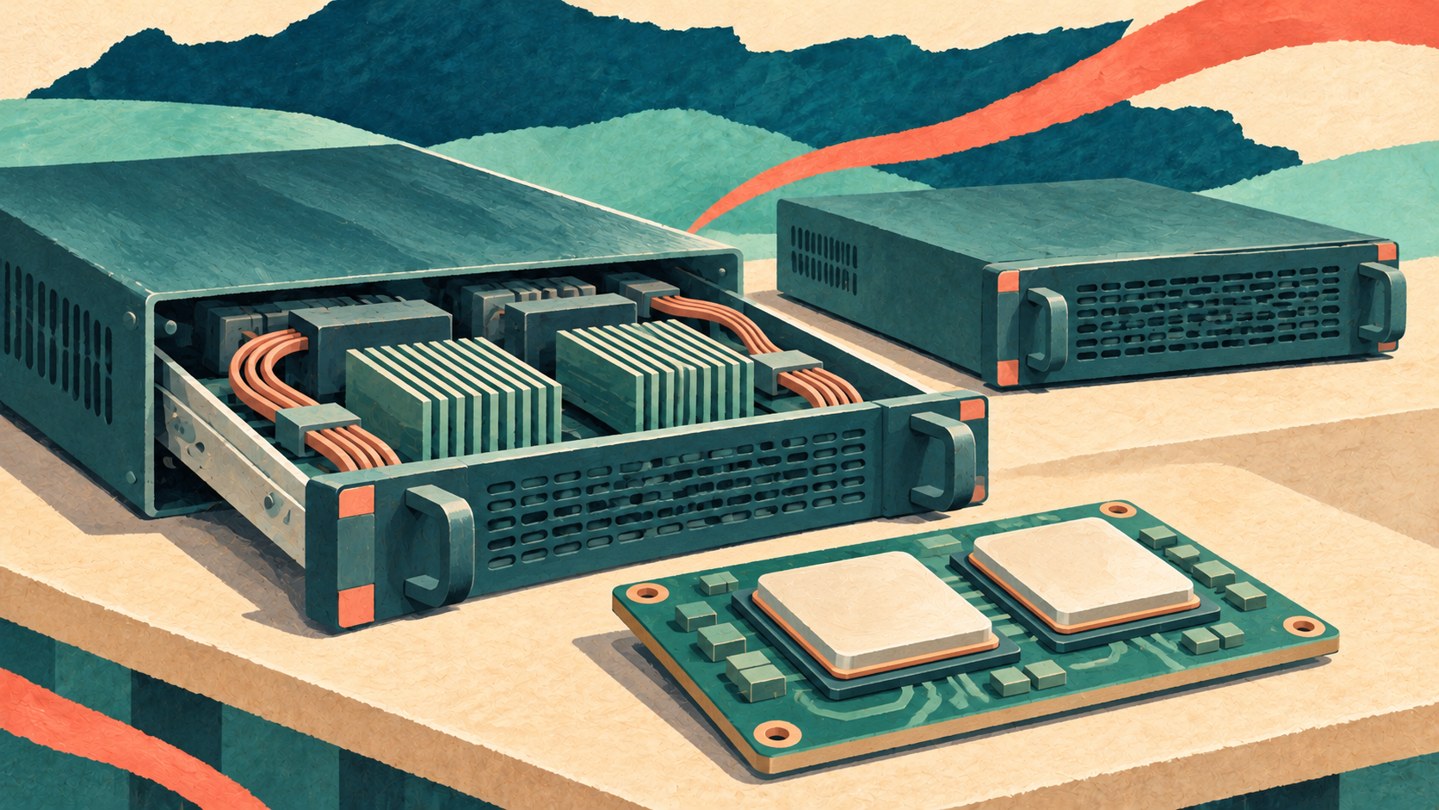
Google announced TPU 8tx and TPU 8i Max systems on November 9. They extend its eighth-generation TPU portfolio, rather than introduce two entirely new chip generations.
Privacy and memory are separate priorities
TPU 8tx uses the same TPU 8t silicon with fifth-generation AMD EPYC hosts. Google positions the configuration for confidential inference and private fine-tuning, with hardware protection for data while it is in use.
TPU 8i Max combines two TPU 8i chips in one package. Google says the design doubles compute, SRAM capacity and HBM bandwidth compared with 8i, targeting more demanding context and memory workloads. Those are Google’s design claims, not an independent performance test.
Check hardware and software availability separately
Google also made its Pathways distributed machine-learning runtime generally available on GKE. That release lists TPU v5e, v5p, Trillium v6e and Ironwood 7x support in supported regions; its Slurm integration is still in preview.
Pathways reaching general availability does not establish that every account can order the newly announced TPU systems. The hardware announcement does not supply a complete regional order schedule or price list. Teams should check the applicable Cloud availability and configuration guidance before planning a migration.